
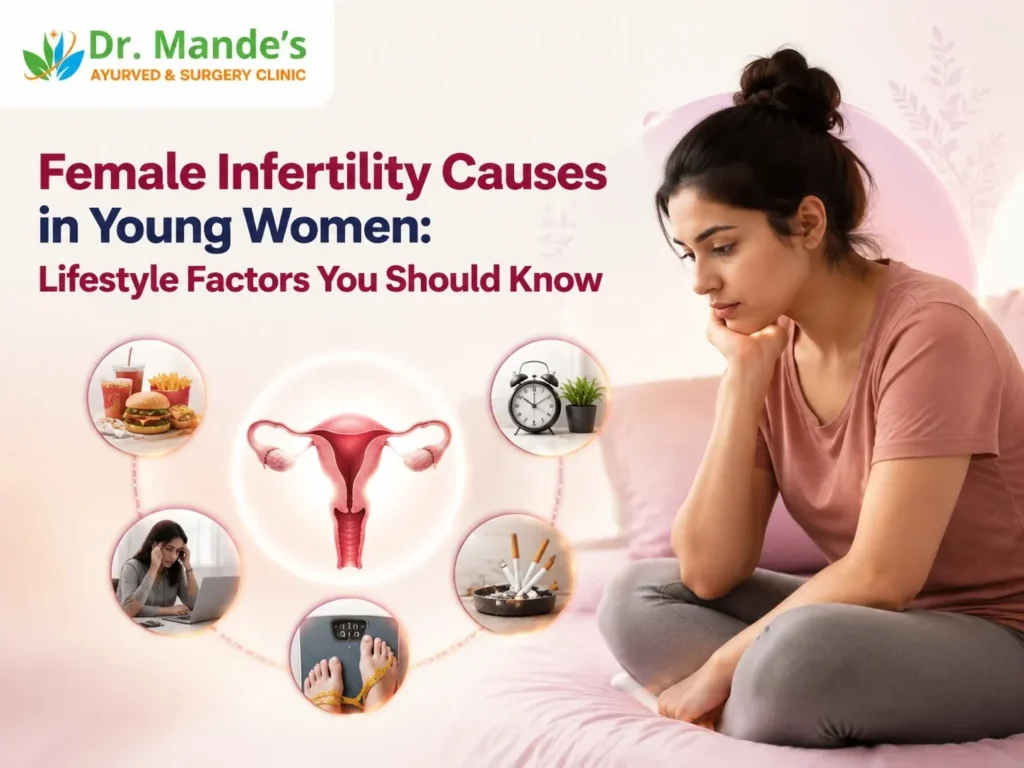
Infertility reasons in females are more common in young women today than most people realise, and doctors keep pointing to the same pattern. It is not always a single medical condition. Often, it is a mix of everyday habits that quietly affect fertility over months and years. Understanding the real infertility reasons in females can help you catch problems early and take action before they become bigger issues.
This blog walks you through the lifestyle factors, medical conditions, and environmental triggers that commonly cause infertility in young women, along with practical steps you can take starting today.
Understanding Infertility Reasons in Females Today
Infertility is generally defined as not being able to conceive after a year of trying, or six months if a woman is above 35. But infertility reasons in females rarely show up overnight. They build up slowly through years of poor sleep, chronic stress, unbalanced meals, and other habits that most people do not connect to reproductive health at all.
Doctors have noticed a clear shift in the last decade. Women in their twenties and early thirties, who were once considered at low risk for fertility issues, now make up a growing share of infertility cases. Career pressure, changing diets, sedentary jobs, and rising pollution levels all play a role.
Common Infertility Reasons in Females Linked to Lifestyle
Poor Diet and Nutritional Deficiencies
What you eat directly affects hormone production. Diets high in processed food, refined sugar, and trans fats disrupt insulin levels, and insulin resistance is closely linked to ovulation problems. Low iron, vitamin D, and folate levels also reduce egg quality over time.
Many young women skip meals or follow extreme diets to lose weight quickly, and this often backfires. The body needs a certain amount of healthy fat and steady nutrition to keep the reproductive system functioning normally.
Chronic Stress and Hormonal Imbalance
Stress is one of the most underrated infertility reasons in females. When you are constantly stressed, your body produces higher levels of cortisol, and this hormone interferes with the signals your brain sends to your ovaries. Over time, this can delay or stop ovulation altogether.
Work deadlines, financial pressure, relationship strain, and even the stress of trying to conceive itself can create a cycle that makes things harder. Managing stress is not a luxury here. It is a real part of fertility care.
Lack of Physical Activity or Overexercising
Both extremes cause problems. A sedentary lifestyle contributes to weight gain and insulin resistance, while overexercising, especially intense daily workouts without enough recovery, can suppress the hormones needed for regular ovulation. Athletes and women who train heavily sometimes experience missed periods for this exact reason.
Smoking, Alcohol and Excess Caffeine
Smoking damages egg quality and speeds up the natural decline in ovarian reserve. Doctors regularly link moderate alcohol consumption to irregular cycles, and too much caffeine can affect implantation. None of this means occasional indulgence will ruin your chances, but regular heavy use adds up over months and years.
Disrupted Sleep Patterns
Irregular sleep, especially from night shifts or excessive screen time before bed, throws off the body’s natural hormone rhythm. Melatonin and reproductive hormones connect closely, and several studies link poor sleep quality to irregular ovulation.
Being Overweight or Underweight
Body fat percentage directly affects hormone balance. Too much body fat increases estrogen production and can disrupt ovulation, while too little body fat can stop periods altogether. Both extremes are common infertility reasons in females that are entirely lifestyle driven and can improve with the right guidance.
Medical Conditions Behind Infertility Reasons in Females
Lifestyle factors often trigger or worsen underlying medical conditions, and it helps to know the most common ones. The World Health Organization estimates that infertility affects a significant share of couples worldwide, and a large portion of these cases trace back to conditions that are treatable once identified.
PCOS (Polycystic Ovary Syndrome)
PCOS is one of the leading infertility reasons in females today, affecting a large share of women of reproductive age. It causes irregular ovulation, hormonal imbalance, and often comes with weight gain, acne, and excess hair growth. Diet, stress, and sedentary habits can make PCOS symptoms worse, which is why lifestyle management plays such a big role in treatment.
Thyroid Disorders
Both an underactive and overactive thyroid can interfere with ovulation and menstrual regularity. Thyroid issues are common in young women and often go undiagnosed for years simply because the symptoms, like fatigue and weight changes, get brushed off as normal.
Endometriosis
This condition causes tissue similar to the uterine lining to grow outside the uterus, leading to pain, inflammation, and sometimes blocked fallopian tubes. It is a significant contributor to infertility and is often diagnosed later than it should be because the symptoms overlap with regular period pain.
Environmental and Modern-Day Triggers
Beyond diet and stress, several environmental factors quietly affect fertility. Exposure to certain plastics, particularly those containing BPA, disrupts hormone signalling in ways researchers are still studying. Air pollution, pesticide residue on unwashed produce, and prolonged exposure to certain chemicals in cosmetics and cleaning products all add to the hormonal load your body has to manage.
Young women living in cities face this problem more than they realise. Switching to glass containers instead of plastic, washing fruits and vegetables thoroughly, and choosing simpler skincare products can reduce this daily chemical exposure without requiring a complete lifestyle overhaul.
None of these factors alone usually causes infertility, but combined with poor diet, high stress, and inactivity, they add up faster than most people realise.
Quick Fact Box Fertility naturally starts declining after age 30 and drops more noticeably after 35, but lifestyle factors like stress, poor sleep, and diet can affect fertility at any age, even in your twenties. The good news is that many of these infertility reasons in females are reversible with consistent changes over a few months.
Age and Delayed Childbearing
More women are marrying and starting families later than previous generations, and this shift plays a real role in rising infertility numbers. Egg quantity and quality naturally decline with age, and this decline speeds up after 35. It is not that fertility disappears overnight at any particular birthday, but the odds shift gradually every year, and this timeline often catches young women off guard because they assume fertility problems only affect older women.
Delayed childbearing is not something to feel guilty about, since careers, financial stability, and finding the right partner matter too. But it helps to know your own fertility window rather than assuming you have unlimited time. A simple hormone panel or ultrasound can give you a realistic picture of your ovarian reserve well before you plan to conceive.
Myths vs Facts About Infertility Reasons in Females
A lot of misinformation circulates about what actually causes infertility, and separating fact from fiction saves a lot of unnecessary worry.
Myth: Infertility is always a woman’s problem. Fact: Male factors contribute to nearly half of all infertility cases, so both partners need evaluation.
Myth: You will know immediately if something is wrong. Fact: Many infertility reasons in females, like PCOS or mild thyroid dysfunction, show few obvious symptoms and only surface during testing.
Myth: Stress is just a mental issue and does not affect the body. Fact: Chronic stress directly disrupts the hormonal signals required for ovulation, making it a genuine physical factor, not just an emotional one.
Myth: If your periods are regular, your fertility is fine. Fact: Regular cycles are a good sign, but they do not rule out issues like blocked fallopian tubes or egg quality decline.
Ayurveda approaches fertility differently from a purely symptom based view. It looks at the balance of the body’s doshas, digestion, and overall hormonal rhythm rather than treating infertility as an isolated problem. For conditions like PCOS, this approach corrects underlying imbalances through diet, herbal support, and lifestyle changes rather than relying only on symptom management.
Women dealing with PCOS related fertility struggles often find that addressing the root cause brings more sustainable results. You can read more about the approach used in ayurvedic treatment for PCOS to understand how this works in practice.
For women actively trying to conceive, Ayurveda also offers guidance on preparing the body before and during pregnancy. You can find details on this under ayurvedic treatment for pregnancy, which covers how diet and lifestyle support changes at each stage.
Steps You Can Take Starting Today
You do not have to overhaul your entire life overnight. Small, consistent changes make the biggest difference over time.
Start by fixing your sleep schedule and aiming for seven to eight hours a night. Cut back on processed food and add more whole grains, vegetables, and healthy fats to your meals. Move your body regularly, but avoid overtraining if you already exercise intensely. Reduce alcohol and quit smoking if you smoke. Find a stress management practice that actually works for you, whether that is yoga, walking, journaling, or simply setting better boundaries at work.
If your periods are irregular, if you experience unusual pain, or if you have been trying to conceive for over a year without success, do not wait it out. Getting evaluated early gives you more options and better outcomes.
When to See a Doctor
Track your cycle for a couple of months before your appointment, since this information helps a lot during diagnosis. Bring up any family history of PCOS, thyroid disorders, or early menopause, since these details matter more than people realise.
If you want to understand your options or discuss symptoms you have been noticing, you can get in touch with the clinic to book a consultation and get a proper evaluation rather than guessing based on information online.
Conclusion
Female infertility rarely comes from one single cause. It usually builds up from a combination of daily habits, underlying health conditions, and environmental exposure that most young women do not think twice about. The encouraging part is that many of these infertility reasons in females respond well to timely lifestyle changes and proper medical guidance. Paying attention to your body now, rather than waiting for a diagnosis, gives you a real head start on protecting your fertility for the years ahead.
If you have been noticing irregular cycles, unexplained weight changes, or other symptoms that concern you, do not brush them aside. Understanding the infertility reasons in females that apply to your own situation is the first step toward getting the right support, whether that means lifestyle adjustments, medical testing, or a combination of both.