
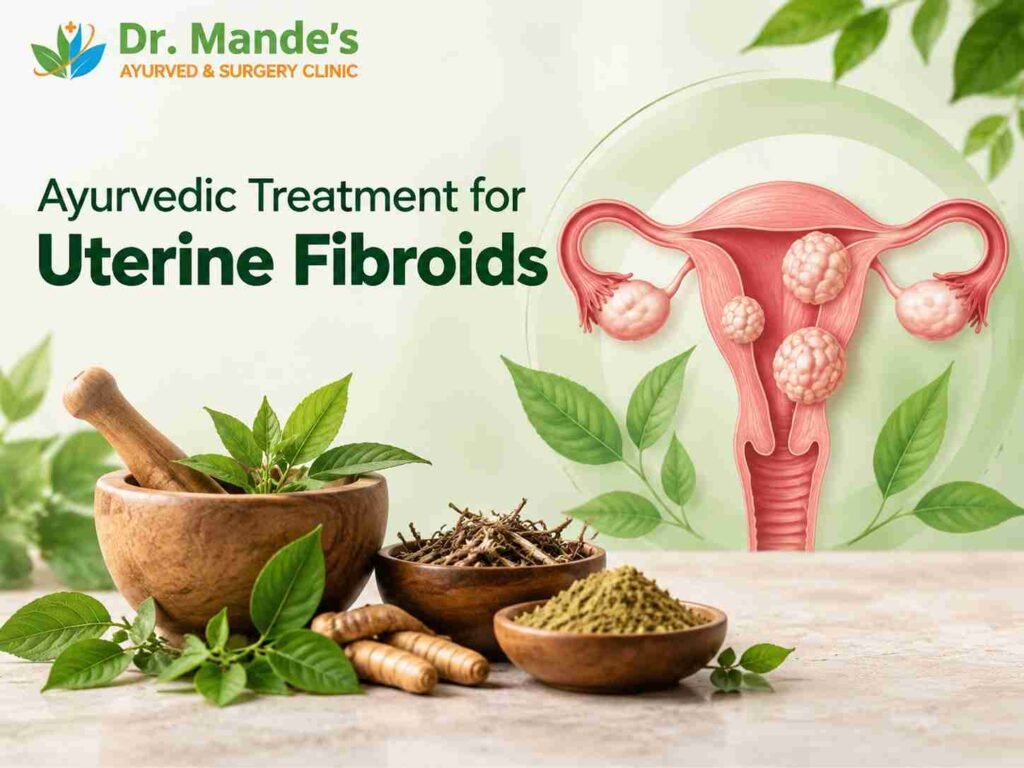
Uterine fibroids affect a large number of women at some point in their lives, often more quietly than people expect. Many never even know they have them, since the growths can sit inside the uterus for years without causing any noticeable trouble. Others deal with heavy bleeding, pain, and pressure that disrupts daily life, work, and even sleep. Ayurvedic treatment for uterine fibroids offers a gentler, more root-cause focused approach for women who want an alternative to surgery, or who simply want to support their body alongside the conventional care they are already receiving.
This guide covers what actually causes fibroids to form in the first place, how Ayurvedic treatment for uterine fibroids works step by step, and what a real treatment journey looks like once you sit down with an experienced practitioner. By the end, you should have a clearer picture of whether this approach fits your specific situation.
Understanding Ayurvedic Treatment for Uterine Fibroids
Ayurveda views fibroids as a result of accumulated imbalance in the body’s tissues and hormonal system. Instead of only targeting the growth itself, Ayurvedic treatment for uterine fibroids works to correct the underlying imbalance that allows fibroids to form and grow.
This does not mean Ayurveda replaces proper diagnosis. A good practitioner still reviews ultrasound reports, fibroid size, and location before recommending any treatment plan. The official Ayurveda regulatory body in India recognises Ayurveda as a formal healthcare system. It follows defined diagnostic and treatment principles, not informal folk remedies.
What Causes Uterine Fibroids?
Fibroids are non-cancerous growths that develop in or around the uterus. Doctors do not fully understand the exact cause, but several factors increase risk. Hormonal imbalance, particularly excess estrogen, plays a major role. Genetics also matter, since fibroids often run in families. Understanding these causes is the starting point for anyone exploring Ayurvedic treatment for uterine fibroids.
Other contributing factors include obesity, a diet high in red meat and low in vegetables, and chronic stress. Ayurveda pays close attention to these lifestyle factors, since they overlap closely with the areas Ayurvedic treatment for uterine fibroids aims to correct.
Common Symptoms of Uterine Fibroids
Symptoms vary widely depending on fibroid size and location. Many women experience heavy or prolonged menstrual bleeding. Others notice pelvic pain, pressure, or a feeling of fullness in the lower abdomen. Frequent urination, lower back pain, and pain during intercourse can also occur.
Some women have fibroids for years without any symptoms at all. Recognising the signs early makes a real difference in choosing the right treatment approach, whether that means Ayurvedic treatment for uterine fibroids, conventional care, or a combination of both.
How Ayurvedic Treatment for Uterine Fibroids Works
Herbal Formulations
Ayurveda uses specific herbs to support hormonal balance and reduce inflammation linked to fibroid growth. A qualified practitioner customises these formulations based on the individual case. Exact formulations and dosages should always come from a practitioner who has reviewed personal case history and test reports.
Panchakarma Therapies
For deeper hormonal imbalance, practitioners sometimes recommend panchakarma. These detoxification therapies aim to cleanse the body before starting herbal treatment. This step supports the broader goal of reducing the internal conditions that allow fibroids to persist.
Diet and Lifestyle Correction
Diet forms the foundation of most Ayurvedic fibroid treatment plans. Practitioners typically recommend reducing red meat and processed food while increasing vegetables and fibre. Managing stress and maintaining a healthy weight also support hormonal balance.
About Dr. Priyanka Mande, Ayurvedic Gynaecologist in Wakad
Dr. Priyanka Mande Ayurvedic gynecologist in wakad practises at Dr. Mande’s Clinic in Wakad, Pune. She holds a B.A.M.S and M.D. in Ayurveda from Maharashtra University of Health Sciences, Nashik. She brings over 10 years of clinical experience to her practice. Her specialisation covers PCOD, female infertility, piles in women, and pregnancy care.
The herbal formulations, panchakarma protocols, and lifestyle guidance discussed in this article reflect the kind of individualised treatment approach Dr. Mande recommends after reviewing a patient’s full case history. This includes fibroid size, symptoms, and existing test reports. No general article can replace this personalised evaluation. An in-person or online consultation remains the right starting point for anyone considering Ayurvedic treatment for uterine fibroids.
Different Types of Uterine Fibroids
Fibroids get classified by their location in the uterus, and this affects both symptoms and treatment approach. Intramural fibroids grow within the uterine wall and are the most common type. Submucosal fibroids grow into the uterine cavity and often cause heavier bleeding. Subserosal fibroids grow on the outer surface of the uterus and can press on nearby organs.
Understanding which type you have helps guide realistic expectations for Ayurvedic treatment for uterine fibroids. Smaller intramural or subserosal fibroids tend to respond better to lifestyle and herbal correction than large submucosal fibroids causing significant bleeding. Fibroid location also affects whether surgery becomes necessary, which is another reason proper diagnosis matters before starting any treatment path.
Diet Recommendations for Fibroid Management
Certain dietary patterns appear to influence fibroid growth and symptoms. Practitioners commonly recommend reducing dairy and red meat consumption, since these foods can influence estrogen levels. Increasing fibre intake through vegetables, fruits, and whole grains supports healthy hormone metabolism and digestion.
Turmeric and other anti-inflammatory foods often feature in Ayurvedic dietary guidance for fibroids, given their role in reducing inflammation throughout the body. Limiting caffeine and alcohol also supports overall hormonal balance. None of these changes replace personalised guidance, but they form a reasonable starting point alongside professional treatment.
Myths and Facts About Ayurvedic Treatment for Uterine Fibroids
A lot of misinformation circulates around fibroid treatment. Separating fact from fiction helps set realistic expectations.
Myth: Fibroids always need surgery. Fact: Many small, asymptomatic fibroids need only monitoring, and some respond well to lifestyle and herbal correction over time.
Myth: Ayurvedic treatment works instantly. Fact: Most treatment plans take several months to show meaningful change, since the approach corrects underlying imbalance rather than forcing an immediate result.
Myth: Fibroids always affect fertility. Fact: Many women with fibroids conceive without issues, though location and size can sometimes play a role depending on the individual case.
Myth: Once treated, fibroids never return. Fact: Fibroids can recur, which is why ongoing lifestyle management often continues even after initial symptoms improve.
Lifestyle Habits That Support Treatment
Small daily habits support Ayurvedic treatment for uterine fibroids alongside formal herbal and dietary correction. Regular, moderate exercise like walking or yoga supports circulation and hormone regulation. Maintaining a healthy weight helps reduce excess estrogen production linked to fibroid growth.
Stress management also matters more than most people realise. Chronic stress affects hormonal balance throughout the body. Simple daily practices like pranayama or short meditation sessions can meaningfully support the treatment process over time.
Ayurvedic Treatment for Uterine Fibroids vs Conventional Treatment
Conventional treatment for fibroids ranges from watchful waiting to medication, minimally invasive procedures, or surgery for larger or symptomatic fibroids. Ayurvedic treatment for uterine fibroids takes a slower, more foundational approach. It focuses on correcting hormonal imbalance and reducing inflammation to support the body’s own healing process.
Many women combine both approaches successfully. They use Ayurveda to support overall reproductive health while monitoring fibroid size through regular scans. Keeping both practitioners informed of each other’s recommendations helps avoid conflicting guidance.
You can learn more about related fertility and reproductive health support through ayurvedic treatment for infertility in wakad. This page outlines therapies used to support women with broader reproductive health concerns.
When Uterine Fibroids Need Medical Attention
Not every fibroid needs urgent treatment, but certain signs should never get ignored. Heavy bleeding that causes anaemia, severe pain, rapid fibroid growth, or fibroids that affect fertility all need prompt medical evaluation. Large fibroids sometimes require surgical removal regardless of other treatment approaches being used alongside it.
Ayurvedic treatment for uterine fibroids works best for smaller fibroids or as a supportive approach alongside conventional monitoring. When in doubt, getting a proper medical evaluation first helps you make an informed decision about which path fits your situation.
What to Expect During a Consultation
A first consultation for Ayurvedic treatment for uterine fibroids usually starts with a detailed history. This covers menstrual pattern, symptoms, and any existing ultrasound or scan reports. Many practitioners also assess pulse and other traditional diagnostic markers to understand dosha balance.
Based on this assessment, the practitioner typically outlines a treatment plan. This covers herbal formulations, dietary changes, and lifestyle adjustments, along with a realistic timeline for expected progress. Bringing recent scan reports and any previous treatment records helps the practitioner build a complete picture from the start.
Follow-up visits usually happen every few weeks. This lets the practitioner track fibroid size and symptom changes, then adjust the treatment plan accordingly.
Choosing the Right Ayurvedic Doctor for Fibroid Treatment
Not every Ayurvedic practitioner has deep experience specifically in gynaecological conditions like fibroids. Look for a doctor with focused clinical experience in women’s reproductive health. They should explain the reasoning behind each recommendation clearly. They should also stay open to working alongside your gynaecologist rather than insisting on Ayurveda exclusively.
Reading patient experiences can help you understand what to expect. You can check patient reviews and experiences to get a sense of how other women have found the treatment journey at the clinic.
If you have specific questions about your fibroid symptoms, it is worth reaching out to discuss your case directly. This beats guessing based on general information online.
Conclusion
Ayurvedic treatment for uterine fibroids offers a gentler, more foundational approach to managing this common condition. It looks at hormonal balance, diet, and lifestyle together rather than treating fibroids as an isolated problem. It works particularly well for smaller fibroids or as a supportive approach alongside conventional monitoring. It needs realistic expectations around timelines and works best when guided by a practitioner experienced in women’s health.
If conventional treatment alone has not addressed your concerns, or you want a gentler starting point, exploring Ayurvedic treatment for uterine fibroids under proper guidance is worth considering. You can explore the full range of services on the official website to understand the complete approach to women’s reproductive health.
Frequently Asked Questions
Can Ayurvedic treatment shrink uterine fibroids?
Many women see improved symptoms and, in some cases, reduced fibroid size over several months of treatment. Results vary based on fibroid size, location, and individual response, so realistic expectations matter.
Is Ayurvedic treatment for uterine fibroids safe?
When prescribed by a qualified practitioner who reviews complete health history and scan reports, Ayurvedic treatment is generally safe. Self-medicating with herbal remedies without professional guidance is not recommended.
How long does Ayurvedic treatment for fibroids take to show results?
Most women notice gradual improvement over three to six months. The approach focuses on correcting underlying imbalance rather than offering an immediate result.
Can Ayurvedic treatment be combined with regular fibroid monitoring?
Yes, many women use Ayurvedic support alongside regular ultrasound monitoring recommended by their gynaecologist. This combination helps track progress while supporting the body’s natural healing process.
When do uterine fibroids need surgery instead of Ayurvedic treatment?
Large fibroids, rapid growth, severe bleeding causing anaemia, or fibroids affecting fertility often need surgical evaluation. Ayurvedic treatment works best for smaller fibroids or as a complementary approach alongside medical monitoring.