
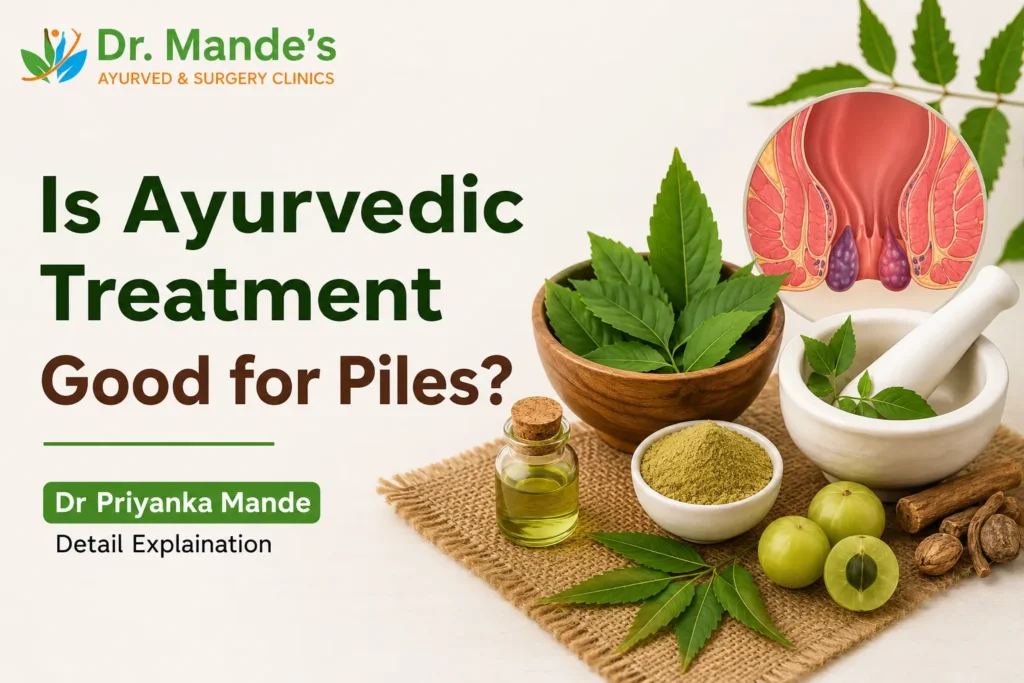
Yes, ayurvedic treatment is good for piles, particularly in the early stages. Herbs like Triphala, Haritaki, and Nagkeshar reduce inflammation and regulate bowel movements. The Kshara Sutra procedure offers a minimally invasive option for internal piles. Consistent lifestyle and dietary correction forms the foundation of any lasting Ayurvedic piles management plan.
Piles, medically known as haemorrhoids, affect a large number of people across India, though most patients wait months before seeing a doctor. The swelling of veins around the rectum and anus causes pain, itching, and bleeding that gradually worsens without proper care. Patients frequently search whether ayurvedic treatment for piles is a practical option before considering surgery or other interventions.
The answer is that it genuinely is, provided the condition is caught early and the right protocol is followed. Ayurveda has classified and treated anorectal disorders for centuries under the term “Arsha,” and its treatment approach goes beyond symptomatic relief. It targets the root causes that allow piles to develop and worsen in the first place.
Understanding Piles: Grades and What They Mean for Treatment
Before choosing any treatment, it helps to understand how piles are staged. Doctors classify internal piles into four grades based on how much they protrude from the anal canal.
Grade 1 piles bleed but do not prolapse. Grade 2 prolapse during bowel movements but return on their own. Grade 3 require manual repositioning, and Grade 4 remain permanently prolapsed. Ayurvedic approaches work well for Grade 1 and Grade 2, and can support Grade 3 management alongside other care. Grade 4 typically requires surgical consultation regardless of treatment preference.
External piles, which form under the skin around the anus, tend to cause more immediate pain and swelling. They respond to local Ayurvedic applications alongside oral herbal medication.
Why Patients Ask Whether Ayurvedic Treatment Is Good for Piles
The preference for Ayurveda in piles management comes from several genuine reasons. Surgery carries real risks, recovery can be uncomfortable, and recurrence rates after conventional haemorrhoidectomy are not negligible. Many patients also feel more comfortable with a natural treatment approach, particularly for a condition they find difficult to discuss openly.
Beyond personal preference, there is clinical logic to considering Ayurveda. The primary drivers of piles are chronic constipation, poor dietary habits, prolonged sitting, and irregular meal times. These are lifestyle factors, and lifestyle-centred treatment systems like Ayurveda are better equipped to address them than interventions focused only on removing the pile mass.
Patients who genuinely correct their diet, hydration, and daily routine alongside taking prescribed herbal medicines often see lasting improvement without needing any surgical procedure.
Is Ayurvedic Treatment Good for Piles? Key Herbs Used in Ayurvedic Treatment for Piles
The herbal component of Ayurvedic piles management is well-documented and uses a range of plants with specific therapeutic actions.
1. Triphala: A combination of three fruits, Amalaki, Bibhitaki, and Haritaki, Triphala is the most commonly prescribed herbal formulation for piles. It regulates bowel movements, softens stool, reduces straining, and cleanses the colon without causing dependency. It is usually the first intervention recommended at any stage.
2. Haritaki: With strong laxative and anti-inflammatory properties, Haritaki reduces swelling in the rectal tissue and eases painful defecation. It also supports healing of any fissures or erosions in the anal canal that often accompany piles.
3. Nagkeshar: Particularly useful for bleeding piles, Nagkeshar has astringent properties that reduce blood loss and shrink engorged venous tissue. It is commonly combined with butter and honey in classical formulations.
4. Arshoghni Vati: A classical Ayurvedic tablet specifically formulated for haemorrhoids. It brings together multiple herbs that reduce the pile mass, improve venous tone, and support regular bowel function. It is available as a compound preparation from most reputable Ayurvedic pharmacies.
5. Jimikand (Elephant Foot Yam): Prescribed both as a therapeutic food and as a medicinal ingredient, Jimikand is one of the most recommended dietary items in Ayurvedic piles management. Regular consumption reduces the size of pile tissue over time and prevents recurrence.
6. Guggul preparations: Kanchanar Guggul and similar combinations are used in cases where there is significant tissue proliferation or chronic inflammation in the rectal area.
Kshara Sutra: The Specialised Ayurvedic Procedure for Piles
Kshara Sutra is one of the most researched Ayurvedic surgical procedures and is the standard recommendation for internal piles that have not responded to oral medication. A medicated thread coated with alkaline herbal preparations is tied around the haemorrhoidal mass. Over 7 to 10 days, the thread causes gradual chemical necrosis and shedding of the tissue.
This is done on an outpatient basis without general anaesthesia in most cases. Patients return to normal activity within a few days. The Central Council for Research in Ayurvedic Sciences has published clinical studies on Kshara Sutra, making it one of the few Ayurvedic procedures with formal research validation.
Recurrence rates following Kshara Sutra are reported to be lower than those after conventional haemorrhoidectomy, though this depends significantly on whether the patient also addresses the lifestyle factors that caused the piles in the first place.
It is critical that this procedure is performed only by a trained Ayurvedic surgeon using properly prepared medicated thread. The quality of preparation and the precision of ligation technique directly affect how well it works and how quickly the patient heals.
Diet and Lifestyle Corrections That Make Ayurvedic Treatment Work
No herbal medicine for piles produces lasting results without parallel lifestyle corrections. This is the part of Ayurvedic treatment that patients sometimes underestimate, particularly those looking for a quick fix.
1. Diet recommendations are straightforward but require consistency. High-fibre foods, vegetables, fruits, and whole grains should form the majority of daily meals.
2. Spicy, fried, and processed food aggravates piles and must be significantly reduced. Papaya, coconut water, buttermilk, and drumstick leaves are specifically recommended in most Ayurvedic piles protocols. Water intake of at least 2.5 to 3 litres daily is essential to keep stools soft.
3. Meal timing matters as much as meal content. Irregular eating disrupts bowel rhythm and leads to straining, which directly worsens piles. Fixed meal times, avoiding late meals, and not suppressing the urge to defecate are basic but important practices.
4. Physical activity, even a 30-minute walk daily, significantly improves gut motility and reduces pressure on the rectal veins.
5. Specific yoga postures, including Malasana, Pavanamuktasana, and Ashwini Mudra, are prescribed to tone the anal sphincter and improve pelvic circulation.
6. Sitz baths with medicated water or Triphala decoction twice daily reduce local inflammation and discomfort.
When Ayurvedic Treatment Has Its Limits
Being honest about the boundaries of any treatment system is important. Ayurveda is effective for early-stage piles and for prevention of recurrence, but there are situations where it is not sufficient on its own.
Severe or persistent rectal bleeding leading to anaemia requires immediate medical evaluation. Grade 4 prolapsed piles with thrombosis need surgical correction regardless of treatment preference. Patients with inflammatory bowel disease, colorectal polyps, or any suspicion of colorectal cancer presenting with rectal bleeding must be properly investigated before any piles treatment begins.
Self-diagnosis is a common problem with this condition. Many patients assume symptoms are caused by piles when the underlying cause is something else entirely. A proper clinical examination remains the non-negotiable first step before starting any treatment plan.
Who Benefits Most from Ayurvedic Treatment for Piles?
Patients with Grade 1 or Grade 2 piles who start treatment early tend to see the best outcomes with Ayurveda. Those who have had piles treated in the past and want to prevent recurrence also respond well to long-term Ayurvedic management.
People managing chronic constipation as a primary concern benefit greatly from the herbal and dietary interventions, since treating constipation effectively often resolves early piles on its own. Patients who sit for long hours at work and have been diagnosed with early piles can significantly slow or reverse the condition through consistent Ayurvedic care.
Pregnant women are particularly prone to piles due to increased pressure on the rectal veins during pregnancy. Dietary corrections and certain safe herbal preparations can help manage the condition during this period, though all medications must be taken under medical supervision.
Frequently Asked Questions About Ayurvedic Treatment for Piles
How long does it take for Ayurvedic treatment to show results for piles?
Early-stage piles typically improve within 4 to 8 weeks of consistent treatment. Grade 2 or Grade 3 piles may take 3 to 6 months depending on how well dietary and lifestyle corrections are followed alongside prescribed medicines. Improvements in bowel regularity and reduction in bleeding are usually the first changes patients notice.
Can piles be permanently cured with Ayurveda?
Ayurveda can bring long-term relief and in many cases complete resolution of the condition. The key word is “consistent.” Patients who take medicines for a few weeks and then return to old habits will see the condition return. Addressing root causes such as constipation, diet, and sedentary behaviour is what makes the results permanent.
Is Kshara Sutra painful?
There is mild discomfort during and after the procedure, particularly during bowel movements in the first week. Most patients manage it with sitz baths, local applications, and mild pain relief as needed. It is generally far less painful than conventional haemorrhoidectomy and does not require hospital admission.
Can Ayurvedic medicines be taken alongside allopathic medication?
Do not start or stop any medication without consulting your doctor. Always inform your Ayurvedic physician about any ongoing allopathic medicines so they can check for interactions. In most piles cases, both systems can be used together safely under proper guidance.
Is Ayurvedic treatment safe for elderly patients with piles?
Yes, most Ayurvedic herbal formulations are gentle and suitable for elderly patients. The dosage may be adjusted based on individual constitution and other health conditions. Elderly patients benefit particularly from the dietary corrections and lifestyle guidance that Ayurveda provides alongside medicines.
Consult Dr. Priyanka Mande for Piles Treatment at Her Wakad Clinic
Dr. Priyanka Mande specialises in Ayurvedic gynaecology and women’s health at her clinic in Wakad, Pune. If you have been dealing with piles, whether newly diagnosed or a recurring problem you have been managing on your own, an accurate assessment can change how you approach treatment.
A personalised plan based on your grade of piles, body constitution, and overall health history gives far better results than generic over-the-counter remedies. Many patients who come in after months of self-treatment find that targeted Ayurvedic care brings relief they had given up on.
Book Your Consultation with Dr. Priyanka Mande, Wakad, Pune